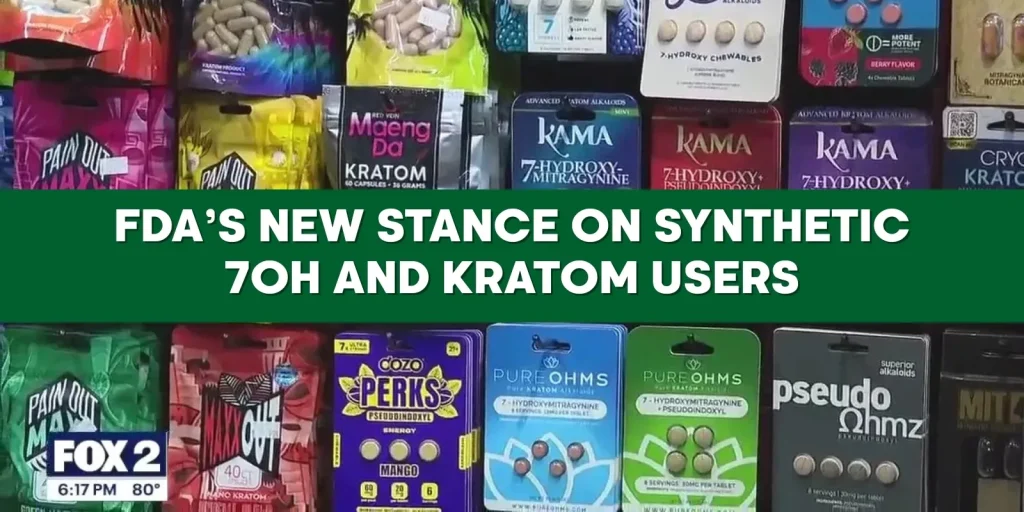
The kratom community has faced a whirlwind of regulatory discussions over the years, particularly concerning synthetic compounds derived from kratom alkaloids. Recently, the FDA released a new stance on synthetic 7OH, a synthetic derivative of mitragynine, one of kratom’s primary active compounds. This announcement has left many kratom users curious about how it impacts safety, legality and the way they use products like evergreen tree red maeng da kratom capsules or evergreen tree green maeng da kratom capsules.
In this article, we’ll explore the new stance on synthetic 7OH, what it means for kratom enthusiasts, how it relates to the use of high-quality, lab-tested kratom products and practical tips for safe consumption.
Understanding Synthetic 7OH and Its Background
Synthetic 7-hydroxymitragynine, commonly referred to as 7OH, is a laboratory-produced version of an alkaloid naturally found in Mitragyna speciosa or kratom. While naturally occurring 7OH is present in small quantities in leaves, the synthetic form can be concentrated, leading to significantly stronger effects.
The FDA’s new stance on synthetic 7OH focuses on safety concerns regarding these concentrated forms. While naturally sourced kratom remains under scrutiny, the agency is particularly cautious about synthetic versions due to potential health risks. This stance emphasizes the importance of choosing third-party lab-tested and FDA-certified kratom products from reputable sources like The Evergreen Tree.
Why the FDA Issued the New Stance on Synthetic 7OH
The FDA’s recent update reflects concerns about synthetic 7OH’s potency and potential for misuse. Key factors influencing the decision include:
- High Concentration Levels: Synthetic 7OH can produce effects far stronger than naturally occurring 7OH, increasing the risk of adverse reactions.
- Lack of Standardized Dosing: Synthetic variants can vary widely in potency, making safe consumption difficult.
- Health Risks: Reports of negative outcomes, including overdose potential, prompted regulatory caution.
For kratom users, this new stance highlights the importance of relying on trusted, tested products like evergreen tree white maeng da kratom capsules or the evergreen tree kratom variety combo pack instead of unverified synthetic derivatives.
What This Means for Kratom Users?
For those who enjoy kratom, the FDA’s new stance does not ban natural kratom but urges caution against synthetic alternatives. Here’s what users need to know:
1. Stick to Natural Kratom Products
The FDA’s new stance on synthetic 7OH reinforces that naturally sourced kratom, when responsibly consumed, is safer than synthetic derivatives. Products like evergreen tree elephant kratom powder or evergreen tree super green kratom powder undergo third-party lab testing to ensure purity, potency and safety.
2. Prioritize Lab-Tested and FDA-Certified Brands
Choosing products that are third-party lab-tested and FDA-certified ensures that you are not exposed to unregulated synthetic compounds. Reputable suppliers, such as The Evergreen Tree, provide transparency and COA reports for all kratom products, from capsules to powder forms.
3. Educate Yourself About Synthetic Compounds
Understanding the difference between naturally occurring 7OH in kratom and synthetic 7OH is essential. The synthetic form is not naturally present in standard kratom leaves, making it riskier for untrained or uninformed users.
Kratom Strains and Products to Consider for Safety and Consistency
If you want to enjoy kratom responsibly while staying informed about the new stance on synthetic 7OH, selecting high-quality products is key. Trusted options include:
- Evergreen Tree Red Maeng Da Kratom Capsules: Ideal for relaxation and evening use, naturally balanced alkaloids.
- Evergreen Tree Green Maeng Da Kratom Capsules: Popular for daytime focus and energy.
- Evergreen Tree White Maeng Da Kratom Capsules: Known for gentle stimulation and alertness.
- Evergreen Tree Kratom Variety Combo Pack: Provides a mix of strains for tailored experiences.
- Evergreen Tree Elephant Kratom Powder: Premium powder with smooth effects and high potency.
- Evergreen Tree Super Green Kratom Powder: Versatile powder suitable for tea, smoothies or encapsulation.
By choosing these products, users can avoid the risks associated with synthetic 7OH while still enjoying the natural benefits of kratom.
Health and Safety Considerations:
Even with naturally sourced, lab-tested kratom, it’s essential to practice responsible use. Following the FDA’s new stance on synthetic 7OH, kratom users should consider:
- Start with a Low Dose: Individual reactions can vary depending on metabolism and tolerance.
- Stay Hydrated: Proper hydration enhances digestion and helps minimize mild side effects.
- Avoid Mixing: Combining kratom with alcohol or other substances can increase risks.
- Monitor Your Body: Pay attention to headaches, nausea or unusual sensations, which may indicate overconsumption.
Using evergreen tree kratom products, which are third-party lab-tested, can reduce uncertainty about potency and composition.
Understanding the Legal Kratom Context
The FDA’s new stance on synthetic 7OH highlights ongoing regulatory scrutiny but does not prohibit natural kratom. Users should be aware of the following:
- Natural Kratom is Still Legal in Many States: Laws vary, so users should check local regulations.
- Synthetic 7OH is a High-Risk Substance: FDA warnings apply specifically to lab-produced 7OH derivatives.
- Responsible Purchasing Matters: Choosing The Evergreen Tree or other reputable suppliers ensures compliance and safety.
Being informed about the new stance on synthetic 7OH helps users navigate the legal and health landscape while enjoying kratom responsibly.
How the FDA’s New Stance Supports Quality Standards
One positive aspect of the FDA’s updated position is its indirect encouragement of quality standards in the kratom industry:
- Third-Party Lab Testing: Reputable brands verify alkaloid content and screen for contaminants.
- COA Transparency: Certificates of Analysis allow users to verify product composition.
- Safety Awareness: Regulatory attention motivates consumers to prioritize verified products over untested alternatives.
By aligning with these standards, kratom users can enjoy products like evergreen tree red maeng da kratom capsules and super green kratom powder safely.
Practical Tips for Kratom Users Post-FDA Update
- Avoid Synthetic Compounds: Stick to naturally sourced kratom to reduce risk.
- Choose Lab-Tested Products: Ensure products are third-party lab-tested and FDA-certified.
- Rotate Strains Responsibly: Consider using green maeng da capsules, white maeng da capsules and elephant kratom powder to experience benefits safely.
- Keep Hydrated: Hydration supports metabolism and absorption of kratom alkaloids.
- Educate Yourself: Stay updated on FDA announcements and trusted kratom research.
Following these steps ensures kratom users can benefit from natural products while respecting the FDA’s new stance on synthetic 7OH.
Disclaimer: This guide is for informational use only. The Evergreen Tree products are not FDA-approved to diagnose, treat or cure any condition. Always consult your healthcare provider before use.
FAQs About Synthetic 7OH and Kratom Use
Q1: What is synthetic 7OH?
Synthetic 7OH is a laboratory-produced form of kratom’s alkaloid 7-hydroxymitragynine, much stronger than natural levels.
Q2: How does the FDA view synthetic 7OH?
The FDA’s new stance on synthetic 7OH highlights safety concerns and warns against unregulated, lab-made compounds.
Q3: Is natural kratom affected by the FDA update?
No, naturally sourced kratom remains legal in most areas, but users should buy third-party lab-tested products like evergreen tree kratom capsules.
Q4: Can I buy kratom safely after the FDA update?
Yes, you can buy kratom from trusted suppliers like The Evergreen Tree who offer evergreen tree kratom products that are tested and certified.
Q5: Which kratom strains are recommended for safety?
Safe and lab-tested options include red maeng da kratom capsules, green maeng da kratom capsules, white maeng da capsules and super green kratom powder.
Q6: How can I ensure my kratom is high-quality?
Look for products that are third-party lab-tested, FDA-certified and come with a COA report from trusted brands like The Evergreen Tree.
Conclusion
The FDA’s new stance on synthetic 7OH serves as a critical reminder for kratom users to prioritize safety, transparency and responsible consumption. While synthetic derivatives carry significant risks, naturally sourced kratom remains a viable and enjoyable option when purchased from reputable suppliers.
Products like evergreen tree red maeng da kratom capsules, green maeng da capsules, white maeng da capsules, kratom variety combo packs and premium powders such as elephant kratom powder or super green kratom powder offer consistent effects and are third-party lab-tested and FDA-certified, ensuring both safety and reliability.
By understanding the FDA’s position, choosing high-quality products, staying hydrated and practicing mindful use, kratom users can continue to enjoy the plant’s benefits while minimizing risk. Awareness of the new stance on synthetic 7OH allows consumers to make informed decisions and navigate the evolving landscape of kratom responsibly.
KRATOM WARNING: For use by individuals 21 years and older only. Not intended for use by pregnant or breastfeeding women. Consult your healthcare provider before use if you are taking any medications or have a medical condition, including but not limited to heart disease, high blood pressure or liver disorders. Do not mix this product with alcohol or other substances. Kratom may be habit-forming and could lead to dependency. For responsible and informed use, refer to The Evergreen Tree’s Ideal Kratom Dosage Guide. This product is not intended for long-term use.